





In recent years, DTF printers (Direct-to-Film) have emerged as a highly credible alternative to traditional screen printing, especially for small batches and complex designs. However, screen printing still holds strong advantages, particularly for large-scale production.
In this article, we’ll take an in-depth look at the comparison between these two methods, explore various use cases, and highlight innovative solutions such as the xTool Apparel Printer and the xTool Screen Printing Machine.
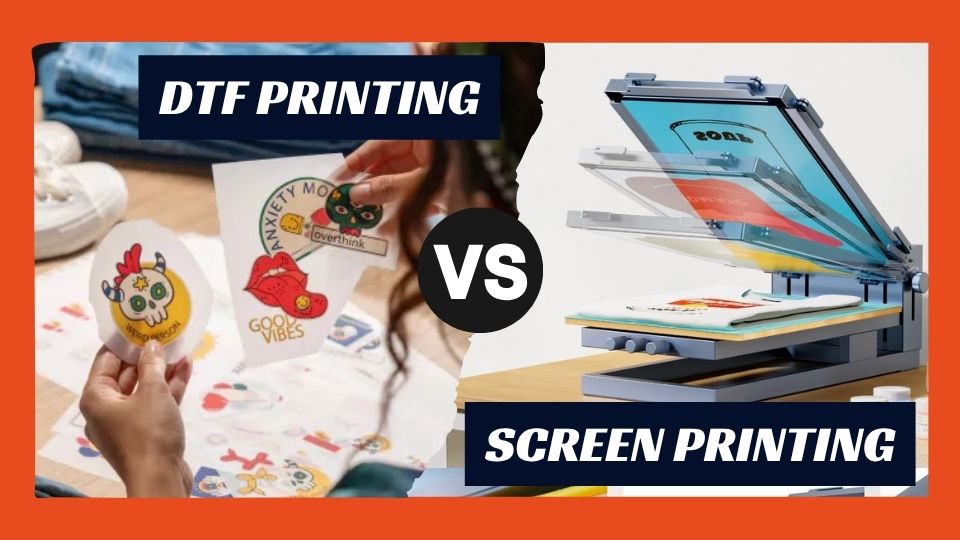
Comparison of the Different Methods
Visual Quality and Final Result
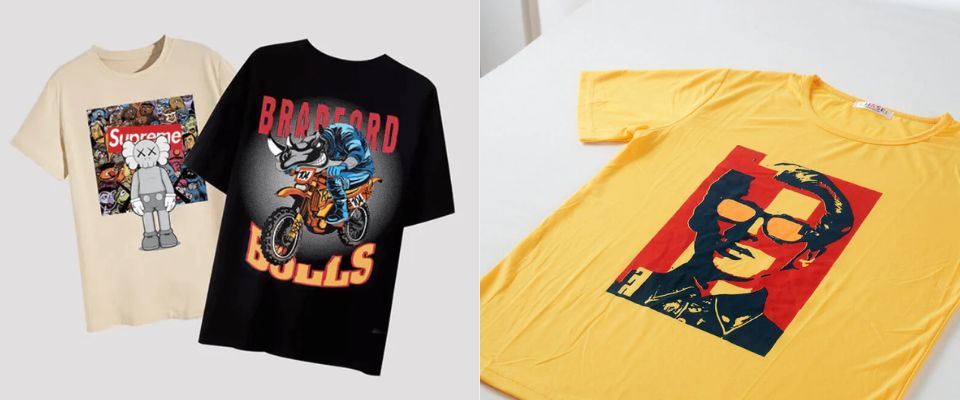
DTF printing can reproduce detailed visuals, including gradients and photographs, with excellent fidelity and no additional color cost. It delivers a sharp and precise finish, even on complex or multicolored designs.
This makes it a great choice for small runs or custom creations where every detail matters. The feel is slightly plastic-like, but the overall appearance remains smooth and attractive.
Screen printing, on the other hand, excels in color vibrancy and the quality of solid fills. Its thicker inks provide a richer texture and a more premium tactile finish.
This technique is ideal for simple yet impactful designs and ensures remarkable consistency across large batches, making it perfect for collections or regular production.
Durability and Resistance
Screen printing stands out for its excellent resistance to frequent washing and wear. The inks penetrate the fabric fibers, ensuring the design stays intact even after many wash cycles.
This makes it particularly suitable for garments intended for heavy use, such as uniforms or sportswear.
DTF prints are also durable and maintain their detail and color well. However, after many washes or under extreme conditions, the film may show slight wear.
For limited or customized series, this difference is usually minimal, and the results remain highly satisfactory.
Material Flexibility
Direct-to-Film printing works on a wide variety of textiles, from cotton to polyester and technical blends. It allows for printing on many different types of fabrics.
Screen printing performs best on natural fabrics and standard blends, although some synthetic textiles may require specific adjustments or special inks. Despite this, it remains a reliable solution for the majority of standard applications and for large runs.
Cost and Production Organization
The cost per piece with DTF printing is very competitive for small batches, as no screen creation is required. Production can start quickly, with less setup time and fewer materials needed. This provides excellent flexibility for customized or limited collections.
Screen printing requires a higher initial investment due to screen preparation and ink setup. However, for medium to large quantities, the unit cost becomes very competitive, making it the best choice for regular production and mass printing.
Maintenance and Technical Requirements
The DTF printer requires regular printhead maintenance and careful management of adhesive powder. Proper cleaning and calibration are essential to ensure consistent transfers and minimize defects.
Screen printing, although requiring more thorough cleaning of screens and equipment, is less sensitive to occasional use. Maintenance is heavier but predictable, and production remains stable over the long term, especially for large batches.
Comparative Analysis: DTF vs Screen Printing
| Criterion / Aspect | DTF (Direct-to-Film) | Screen Printing (traditional or modernized) |
|---|---|---|
| Visual quality & complexity | Supports multicolor visuals, gradients, fine details without additional color cost | Excellent opacity and color vibrancy, but each color requires a separate screen |
| Texture / feel | Slightly plastic-like, thin layer | Thicker ink, noticeable texture depending on desired effect |
| Durability & washing | Good durability, slightly less suited for intensive use | Very high resistance to repeated washing and wear |
| Material flexibility | Compatible with cotton, polyester, blends, technical fabrics | Excellent on cotton and blends, more limited on some textiles |
| Setup & adjustments | Simple, fast to start | Longer setup and screen preparation |
| Maintenance | Risk of clogging, powder handling | Thorough cleaning, handling of inks/solvents |
| Ideal scale | Small runs, customization, varied batches | Large runs, simple and massive designs |
When to Use Each Method?
Why Use Screen Printing?
Screen printing is particularly well-suited for producing promotional garments in large quantities, where designs are simple and use few colors.
It can also create special effects, such as puff or metallic inks, and ensures a low unit cost for high-volume runs. Workshops aiming for large-scale, consistent, and durable production typically choose this method.
Why Use DTF Printing?
Film transfer printing, on the other hand, excels in the field of customization and small batches. Designers can reproduce complex, multicolored, or photographic visuals without additional color costs.
This technique enables printing on various or difficult fabrics and allows rapid production starts without long setup phases, making it ideal for personalized orders or limited editions.
Complementary Methods?
These two methods can also be combined to leverage their respective strengths. A workshop can use screen printing for high-volume or simple solid designs, and Direct-to-Film for fine details, gradients, or custom orders.
This complementarity optimizes flexibility, quality, and profitability, providing a comprehensive solution for a wide range of projects.
Which Tools to Integrate These Methods?
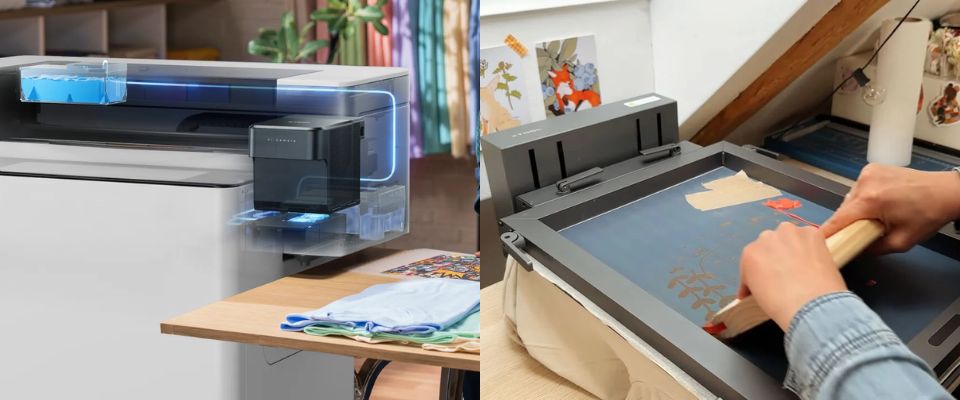
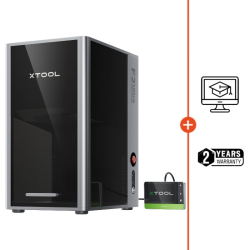
xTool Apparel Printer
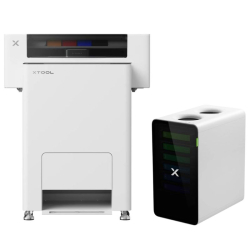
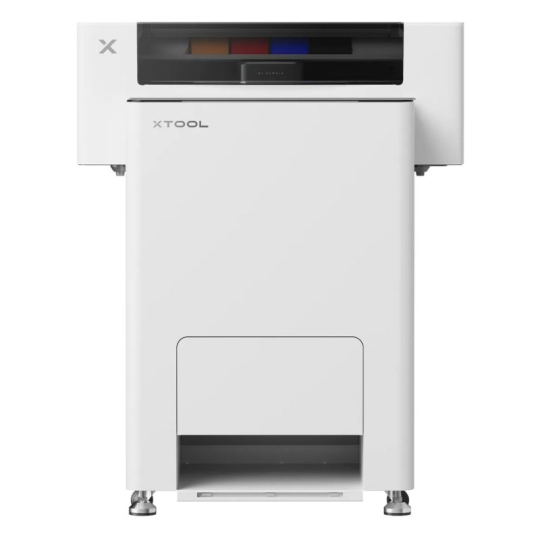
The xTool Apparel Printer automates DTF printing by combining printing, powdering, and curing into an integrated workflow. It reduces maintenance and ensures consistent, high-quality transfers.
This solution allows fast production of custom or small batch series without compromising quality or increasing setup costs.
xTool Screen Printer
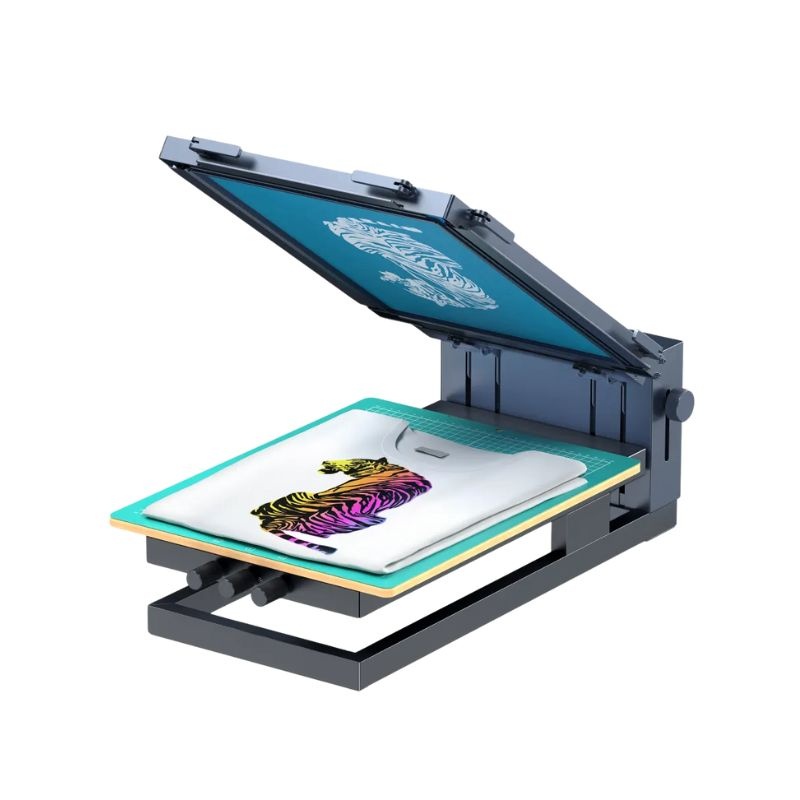
The xTool Screen Printer machine modernizes the traditional method by integrating laser engraving for screens and using pre-coated stencils. It makes the process more accessible, simplifies setup, and maintains economic efficiency for large production runs.
This allows workshops to enjoy the benefits of screen printing while saving time and reducing technical complexity.
Conclusion
The choice between the two methods mainly depends on your production context and project type. Screen printing remains the reference for high-volume production and simple designs requiring maximum durability. DTF offers outstanding creative freedom for small runs and complex designs, with broad compatibility across different textiles.
By combining both methods and leveraging innovative solutions from xTool, you can produce diverse textile collections, from personalized one-offs to industrial-scale productions, while optimizing productivity and final quality.
✅ Why Choose Polyfab3D?
Premium Support and After-Sales Service: Starting from your needs, we will guide you to the most suitable solution and provide long-term support for its implementation and daily use.
Official Reseller: Polyfab3D is a certified reseller of top brands, ensuring you get official products, exclusive access to the latest innovations, and priority technical support.
Fast Delivery and Customer Satisfaction: Polyfab3D is committed to providing you with an optimal and fast experience. Positive feedback from our customers rewards us and proves the reliability and efficiency of our service.
Contact us now for a personalized recommendation tailored to your needs, budget, and ambitions.