







3D filament is the fuel for your 3D printer. Whether you’re a beginner or an advanced user, choosing the right filament is essential to ensure successful prints, quality finishes, and durable parts.
This complete guide will help you understand the differences between types of materials and select the one that best suits your projects.
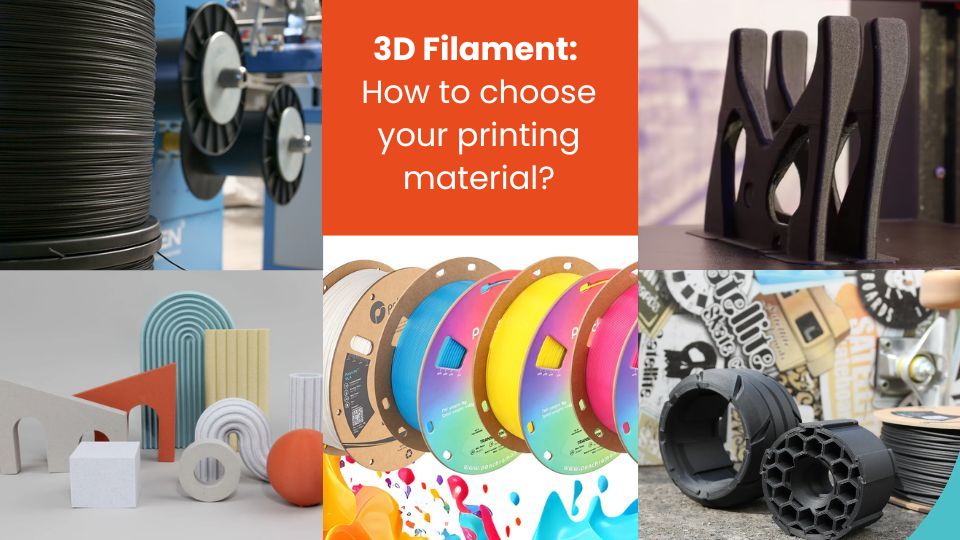
Why is choosing the right 3D filament so important?
1. Impact on the quality, strength, and appearance of parts
Each material has specific mechanical and aesthetic properties. The final result, detail accuracy, and resistance to impact or heat vary greatly from one material to another.
Choosing a suitable 3D filament ensures successful prints that meet your expectations on the first try.
2. Adaptation to use conditions (indoor, outdoor, food-safe…)
A material intended for outdoor use must resist UV and humidity, while decorative objects will prioritize appearance.
Some filaments are also certified for food contact or meet strict technical standards.
👉 Find our explanations on 3D filament technical data later in this content.
3. Compatibility with your 3D printer
The choice of filament must consider compatibility with your 3D printer. The filament diameter (usually 1.75 mm) must match your machine’s specifications.
You should also check the required extrusion temperature, as some materials like nylon or polycarbonate require very high temperatures, sometimes over 260 °C.
Other criteria matter too: a heated bed is essential for ABS or PETG, while a closed enclosure improves printing with materials sensitive to cooling. An unsuitable material can lead to clogs, under-extrusion, or warping during printing.
Which 3D filament should you choose? The main categories of materials
Standard materials (PLA, ABS, PETG)
- PLA: easy to print, biodegradable, ideal for beginners.
- ABS: more resistant but more demanding (warping, fumes).
- PETG: good balance between strength and printability.
| PLA | PLA+ | ABS | PETG | |
|---|---|---|---|---|
| Ease of printing | ⭐⭐⭐⭐⭐ Very easy | ⭐⭐⭐⭐ Easy | ⭐⭐⭐ Moderate | ⭐⭐⭐ Moderate |
| Common applications | Prototypes, decor, toys | Everyday objects, prototypes, tools | Technical parts, durable components, tools | Household items, design, food packaging |
| Extrusion temperature | 190–210 °C | 200–220 °C | 220–250 °C | 230–250 °C |
| Bed temperature | 0–60 °C | 50–60 °C | 90–110 °C | 70–90 °C |
| Closed enclosure recommended | No | No | Yes | Ideal but not mandatory |
| Mechanical strength | ⭐ Low | ⭐⭐ Medium | ⭐⭐⭐ Improved | ⭐⭐⭐ Improved |
| Heat resistance | ⭐ Low (~60 °C) | ⭐⭐ Better | ⭐⭐⭐⭐ High (~100 °C) | ⭐⭐⭐ Medium (~80 °C) |
| Impact resistance | ⭐⭐ Low to medium | ⭐⭐⭐ Medium | ⭐⭐⭐⭐ Good | ⭐⭐⭐⭐ Good |
| Moisture resistance | ⭐⭐ Sensitive | ⭐⭐ Sensitive | ⭐⭐ Low | ⭐⭐⭐⭐ Good |
| UV resistance | ⭐ Low | ⭐⭐ Medium | ⭐ Low | ⭐⭐ Medium |
| Surface finish | Glossy, smooth | Glossy, smooth | Matte, slightly grainy | Slightly glossy, smooth |
| Odor when printing | None or very faint | None or very faint | Strong (possibly toxic fumes) | Low |
Technical materials (Nylon, Polycarbonate, ASA, PC-ABS…)
These filaments offer high mechanical or thermal performance. Nylon is wear-resistant, Polycarbonate withstands high temperatures, and ASA is ideal for outdoor use thanks to its UV resistance.
| Nylon | PC (Polycarbonate) | PC-ABS | ASA | |
|---|---|---|---|---|
| Ease of printing | ⭐⭐ Challenging | ⭐⭐ Challenging | ⭐⭐ Moderately difficult | ⭐⭐⭐ Moderate |
| Common applications | Mechanical parts, gears, hinges | Structural, technical parts | Housings, casings, technical parts | Outdoor parts, covers, signage |
| Extrusion temperature | 240–270 °C | 260–310 °C | 250–270 °C | 240–260 °C |
| Bed temperature | 70–100 °C | 100–120 °C | 90–110 °C | 90–110 °C |
| Enclosure recommended | Yes | Yes (mandatory) | Yes | Ideal for dimensional stability |
| Mechanical strength | ⭐⭐⭐⭐ Very good | ⭐⭐⭐⭐⭐ Excellent | ⭐⭐⭐⭐ Very good | ⭐⭐⭐ Good |
| Heat resistance | ⭐⭐⭐ (~90–100 °C) | ⭐⭐⭐⭐ (~110–120 °C) | ⭐⭐⭐ (~100 °C) | ⭐⭐⭐ (~90–100 °C) |
| Impact resistance | ⭐⭐⭐⭐ Very good | ⭐⭐⭐⭐⭐ Excellent | ⭐⭐⭐⭐ Very good | ⭐⭐⭐ Good |
| UV resistance | ⭐ Low without additives | ⭐⭐ Medium | ⭐⭐ Medium | ⭐⭐⭐⭐ Very good |
| Moisture resistance | ⭐ Highly sensitive | ⭐⭐ Sensitive | ⭐⭐ Sensitive | ⭐⭐⭐ Good |
| Hygroscopic (absorbs moisture) | Yes, highly | Yes, moderately | Yes, moderately | Low |
| Storage difficulty | High (requires dry box) | Medium | Medium | Low |
Composite materials (PA-CF, PA-GF, ABS-CF, PET-CF…)
These materials are reinforced with fibers (carbon fiber, glass fiber…) to enhance stiffness and mechanical strength. They are used in industrial or functional applications and often require a hardened nozzle.
| Carbon Fiber | Glass Fiber | |
|---|---|---|
| Stiffness | ⭐⭐⭐⭐⭐ Very high | ⭐⭐⭐⭐ High |
| Mechanical strength | ⭐⭐⭐⭐⭐ Excellent | ⭐⭐⭐⭐ Very good |
| Impact resistance | ⭐⭐⭐⭐ Very good | ⭐⭐⭐⭐⭐ Excellent |
| Weight | ⭐⭐⭐⭐⭐ Very lightweight | ⭐⭐⭐ Heavier |
| Surface finish | Deep matte, smooth but rough to touch | Matte, slightly rougher |
| Heat resistance | ⭐⭐⭐⭐ Very good | ⭐⭐⭐ Good |
| Abrasion resistance | ⭐⭐⭐ Requires hardened nozzle | ⭐⭐⭐⭐ Very high, hardened nozzle required |
| Warping risks | Present, depending on matrix | Similar, often more stable |
| Required printing level | Intermediate to expert | Intermediate |
| Typical applications | Robotics, drones, automotive | Tooling, housings, technical parts |
| Cost | 💰💰💰 High | 💰💰 Moderate |
Polymaker Fiberon Range
Discover the composite filaments from the Fiberon Polymaker range. Professional-grade materials for demanding prints!
Flexible filaments (TPU, TPE)
Ideal for producing soft, shock-absorbing, waterproof, or impact-resistant parts, flexible filaments such as TPU or TPE are highly valued for their elastic properties.
They are perfectly suited for making seals, soles, protective cases, or deformable objects.
However, printing with them requires extra care: a reduced print speed, a well-constrained filament path, and a direct-drive extruder are strongly recommended to avoid jams or inaccuracies.
Filaments with visual effects (wood, metal, glow-in-the-dark, conductive…)
These filaments offer unique and creative aesthetic finishes: wood imitation with natural grain, shiny metallic finishes, realistic marble look, or special effects like phosphorescence in the dark or electrical conductivity.
They are ideal for design, decoration, figurines, or interactive objects. However, some additives such as metallic particles make these filaments abrasive to the nozzle, which is why a hardened nozzle is essential to protect your equipment.
Soluble and support filaments (PVA, BVOH, HIPS)
Designed for dual extrusion printing, these materials serve as temporary supports for complex parts. PVA and BVOH dissolve in water, while HIPS (support for ABS) dissolves in D-Limonene.
Their use allows the creation of technical shapes with overhangs or deep cavities, ensuring clean removal without damaging the main part. They are ideal for functional prototypes, mechanical assemblies, or parts that require a clean finish.
How to choose your filament based on your project?
For beginners and educational use: ease of printing and tolerance to mistakes.
Which 3D filament to choose for school or educational use? Using a 3D printer in a classroom often involves printing parts in PLA for common needs.
For more mechanically demanding uses, you’ll need to opt for higher-performance 3D filaments.
For visual and functional prototyping
Prototyping covers a wide range of applications. If your prototype is visual and does not require specific resistance, PLA filaments are recommended for their simplicity.
If your prototypes need to be functional, durable, and resistant to wear or heat, for example, it is better to turn to materials such as ABS or NYLON.
For aesthetic parts: Design / Art / Figurines
Which 3D filament should you choose for a design, architecture, or modeling project, such as figurines or replicas? The answer is actually quite simple.
In general, to achieve a high level of detail on small to large models and access various colors, textures, or effects, PLA filaments and their variants (wood, metal, glitter, carbon, or translucent) will perfectly meet your needs.
Manufacturing functional parts: strength, heat or impact resistance
The term manufacturing refers to using 3D printing to produce spare parts, tools, or functional accessories in small series or one-off pieces.
This is where the use of the most technical filaments becomes not only possible but often necessary.
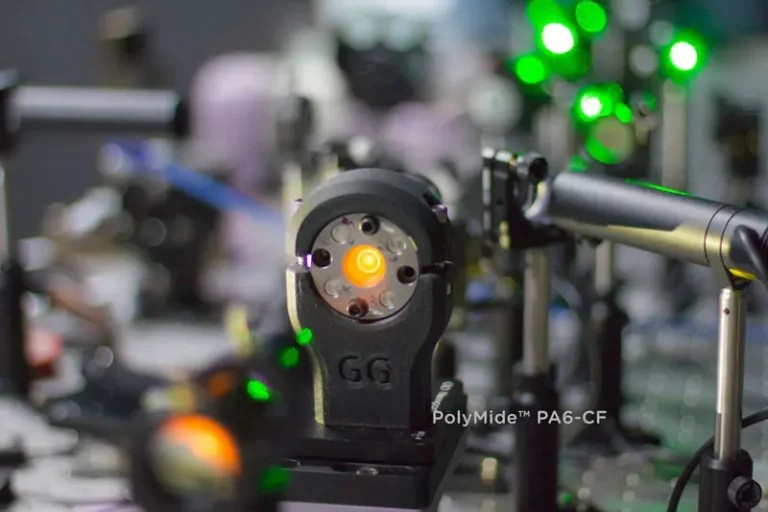
PC-ABS, PA6 GF / CF (reinforced with glass fiber or carbon fiber), or sinterable metal filaments, offer performance that can meet the most demanding requirements.
For outdoor use: UV and moisture resistance
For prints intended for outdoor use, it’s essential to choose a filament that resists UV, humidity, and weather fluctuations. PETG in its standard version resists moisture well, but its UV stability can vary.
ASA is particularly suited to these conditions: it offers excellent resistance to UV rays, rain, and extreme temperatures without deforming or discoloring. It’s the material of choice for outdoor parts such as garden objects, housings, or signage elements.
For food or medical objects: safety and certifications
Some PLA and PETG filaments are food-safe certified, but care must be taken with post-processing and the nozzle used. Always check the technical data sheets.
Indeed, the printing and post-processing conditions can affect compliance with food or medical certifications.
Understanding material data to choose the right filament
The technical data sheets of 3D printing filaments provide characteristics and useful information to understand the material’s final behavior.
These characteristics, such as mechanical, thermal, or impact resistance, are generally available but not always easy to interpret. This buying guide will help explain these concepts.
Young’s Modulus
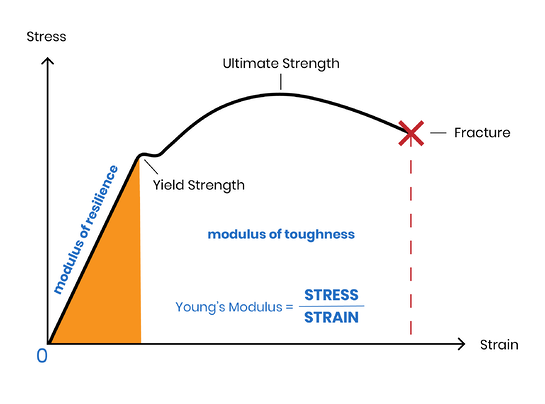
Young’s modulus or modulus of elasticity, expressed in MPa, indicates the stiffness of the filament. The higher this value, the stiffer the material. This constant defines the relationship between tensile stress and the resulting strain.
A material is considered rigid if its modulus exceeds 1800 MPa. This means that a significant amount of force is required to bend or stretch it.
Flexible filaments have the lowest Young’s modulus values.
Shore Hardness
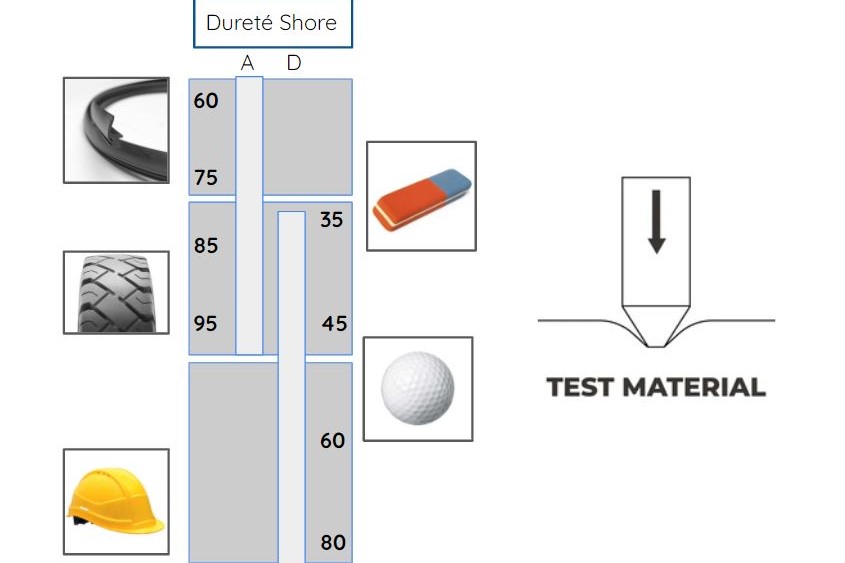
Shore hardness refers to the hardness of your filament or resin. Every plastic, metal, or organic material has its own hardness. For plastics, Shore A or D scales are used. Hardness is measured by the indentation depth of a probe into the material.
This value is often linked to flexibility or elasticity on a localized scale. Manufacturers offer flexible or elastic materials: 98A for the least flexible, down to 50A for the softest and most elastic. Choosing a flexible filament based on its Shore hardness helps tailor the result to your needs.
Elongation at Break
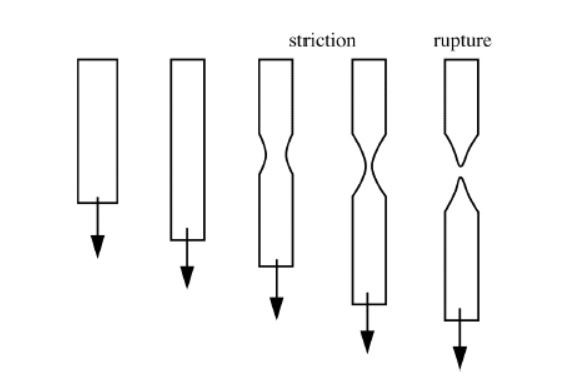
The elasticity of a 3D printing filament determines its flexibility and resistance to bending and deformation. A material with low elongation at break (< 5%) will be rigid and brittle. Conversely, a high elongation (expressed in %) means the filament is more likely to stretch than break under stress.
However, in 3D printing, elongation resistance depends on the test axis. Horizontally, strength is at its maximum. Elongation at break is the maximum deformation measured during a tensile test.
Impact Resistance
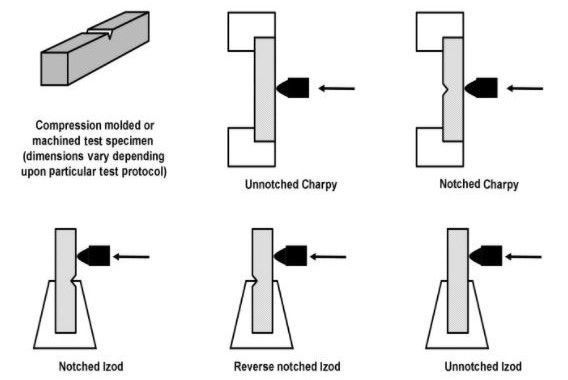
Impact resistance, tested using Izod or Charpy methods, measures the material’s ability to withstand a sudden impact before breaking. These tests can be conducted vertically or horizontally, notched or unnotched, and results can be difficult to interpret.
Simply put, the higher the value, the more force is needed to break the specimen. A very stiff material will generally have lower impact resistance, whereas softer materials tend to absorb more shock.
Besides the raw material properties, printing quality also influences impact resistance. The layer adhesion of your part must be optimal to maximize this property.
Temperature Resistance
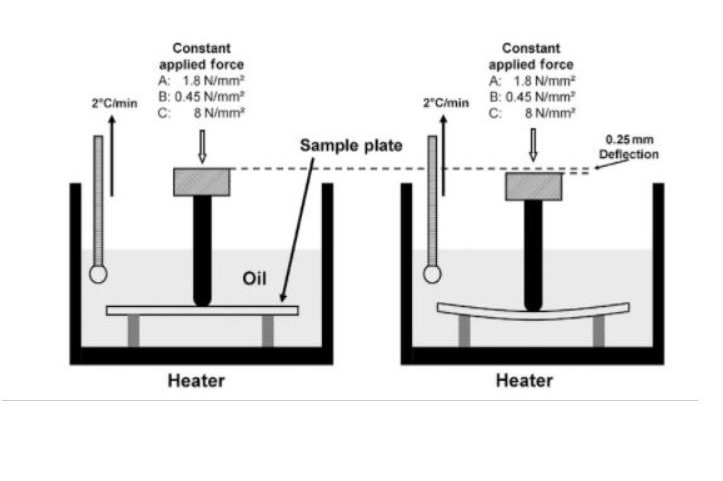
Information on temperature resistance can be misleading. Heat Deflection Temperature (HDT), glass transition temperature, and melting point are all relevant but apply to different thermal behaviors of plastics.
For practical use, the most relevant indicator is the HDT or heat deflection temperature under load. This value, available under different loads, shows the temperature at which the sample begins to deform.
Other temperature values refer more to material transition states and are useful for setting extrusion and bed temperatures.
Flexural Strength
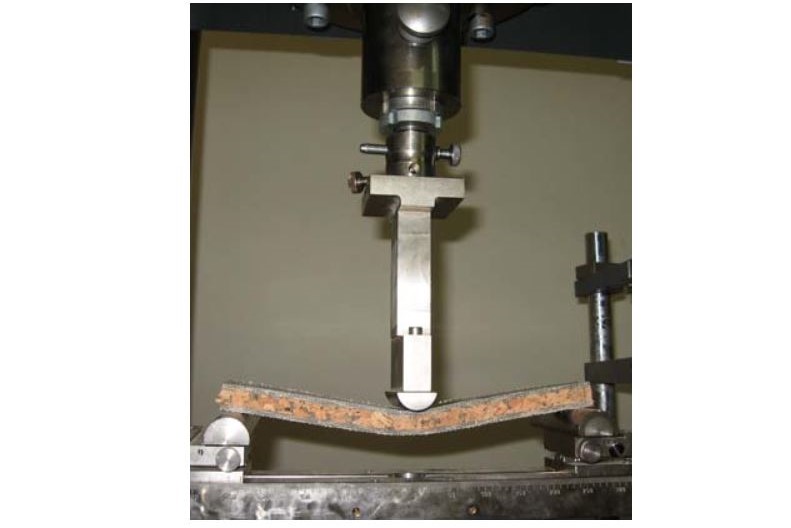
Flexural strength, expressed in MPa, measures the force required to bend a sample. The higher the value, the more force is needed for bending.
There are two types of tests: elastic flexural strength and ultimate flexural strength. These indicate, respectively, a bend without permanent deformation (elastic phase) and bending that causes permanent deformation.
Tensile Strength
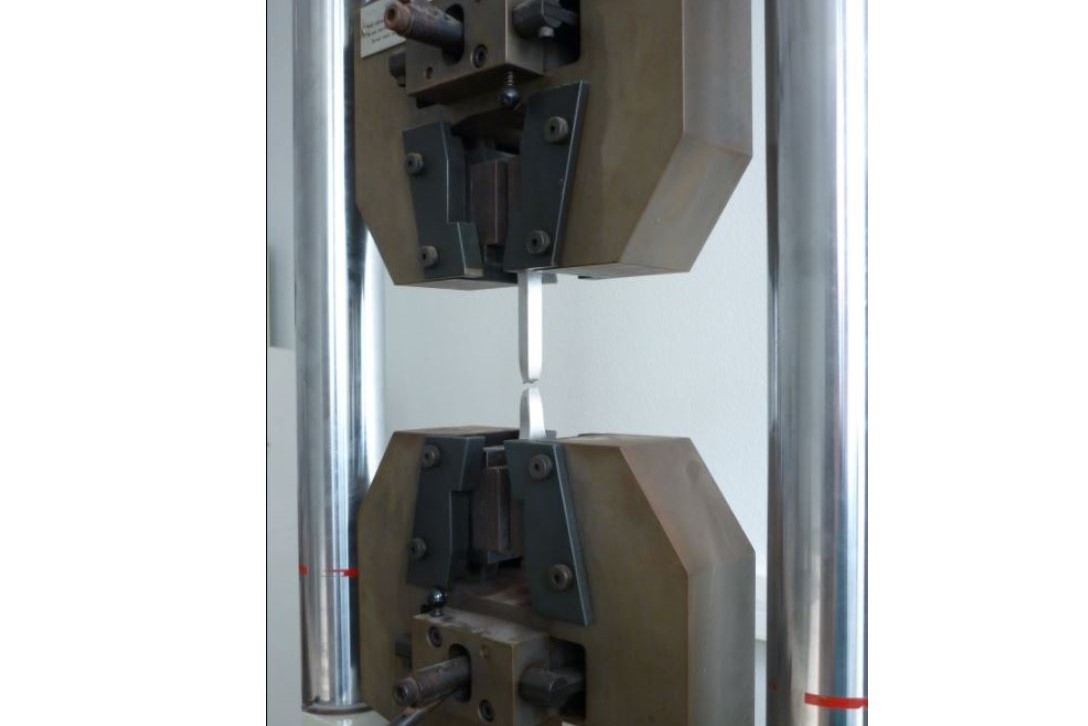
Tensile strength is also expressed in MPa and measures the maximum stress a material can withstand while being stretched. The higher the value, the more force is needed to pull the sample until failure.
This property is known as tensile strength or ultimate tensile strength. The MPa value correlates with the elongation percentage during the test.
Frequently Asked Questions (FAQ)
Which filament is the easiest to print?
PLA remains the number one choice for its simplicity, broad compatibility, and excellent results without complex settings.
Which filament is the strongest?
Polycarbonate, reinforced Nylon, and carbon composites are among the most durable materials but require a well-equipped printer.
What are the eco-friendly filaments?
PLA is made from renewable resources (corn starch, sugarcane), and some manufacturers offer eco-friendly filaments with biodegradable or recycled spools.
Can different filaments be mixed?
Thanks to multi-color 3D printers and filament management systems, it is now possible to print with a wide range of filaments.
With single extrusion, it is not recommended to mix materials with very different temperatures or properties. In dual extrusion, some filaments are compatible with each other, such as PLA with PVA.
How to properly store 3D printing materials?
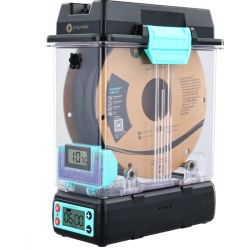
Store your spools in a dry place, protected from moisture, ideally in airtight bags with desiccant packs or in a dry box.
Conclusion: Which filament should you choose?
Our partnerships with the world’s leading 3D printing manufacturers mainly include European producers but are not limited to them. Indeed, many more distant manufacturers sometimes offer excellent technical or economic opportunities.
Polymaker, a Chinese manufacturer based in Shenzhen, is, for example, one of the most recognized brands for the quality of its products and constant innovation.
Other major names such as Nanovia, a French manufacturer, BASF, and Forshape are also part of our offering.
At Polyfab3D, we have carefully selected and gathered the best qualities of 3D filaments from the leading manufacturers. Our range aims to provide you with a thoughtful, comprehensive selection focused on the essentials.
Hours of testing and years of experience have enabled us to offer you this selection of high-quality products at the best prices. Let our selection guide you and find your answer to which 3D printing filament to choose.
✅ Why Choose Polyfab3D?
Premium Support and After-Sales Service: Starting from your needs, we will guide you to the most suitable solution and provide long-term support for its implementation and daily use.
Official Reseller: Polyfab3D is a certified reseller of top brands, ensuring you get official products, exclusive access to the latest innovations, and priority technical support.
Fast Delivery and Customer Satisfaction: Polyfab3D is committed to providing you with an optimal and fast experience. Positive feedback from our customers rewards us and proves the reliability and efficiency of our service.
Contact us now for a personalized recommendation tailored to your needs, budget, and ambitions.